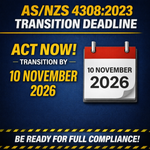
Australian workplaces are quickly approaching a key compliance milestone. On 10 November 2026, the 36-month transition period for the updated AS/NZS 4308:2023 standard will officially end. For organisations conducting workplace drug testing, this deadline matters. It marks the point where businesses must stop relying on items compliant with the older AS/NZS 4308:2008 version and fully transition their operational procedures, onsite testing kits, and documentation to align with the 2023 edition.
If your workforce drug testing program involves onsite urine screening, collection, or laboratory confirmation, then now is the time to review your processes. The clock is ticking, and leaving compliance adjustments too late may expose your organisation to legal risk, invalid testing results, or challenges to disciplinary and safety decisions. NATA have also made it clear that facilities in the process of transitioning will not be accepted - you must be fully transitioned by 10 November 2026.
So What Changed in AS/NZS 4308:2023?
The AS/NZS 4308 standard outlines how workplace urine drug testing must be performed—from collection, handling and paperwork through to onsite screening and laboratory confirmation.
The 2023 update introduced several important refinements, including:
- Revised drug cutoff levels
- Updated definitions and terminology
- Modified collection, privacy, and chain-of-custody handling requirements
- Laboratory reporting clarifications
- More robust guidance around interfering substances and sample integrity
While differences may feel subtle on paper, they have major implications in real workplace testing scenarios. Using outdated collection kits or incorrect forms can undermine compliance, leading to invalid results, grievances, or even legal challenge.
Why the Transition Deadline Matters
The 2023 standard was released with a built-in three-year transition period, allowing suppliers, laboratories, and employers time to adjust products and procedures. This period ends 10 November 2026.
After that date:
- Products verified to 4308:2008 should no longer be used.
- Workplace documentation—particularly chain-of-custody forms—must reflect 4308:2023 requirements.
- Organisations should be able to demonstrate that their testing program is aligned with the current (2023) standard.
In other words, preparation is no longer optional. Every workplace undertaking urine testing needs to be moving proactively toward full compliance now, rather than scrambling as the deadline approaches.
Use Verified Onsite Test Kits
One area employers should prioritise early is screening equipment. Not all urine drug test kits available in Australia are independently verified to both B3 and B4 of the updated standard.
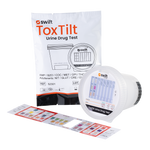
At Drug Test Warehouse, we recommend cleaning out outdated stock and replacing it with products that meet AS/NZS 4308:2023 specifications, such as the ToxTilt Urine Drug Test Cup.
The ToxTilt has undergone independent verification and is suitable for workplaces needing confidence that their kits:
Whether your testing is part of pre-employment screening, post-incident investigations, or random testing programmes, using verified equipment ensures the results stand up if challenged.
Check Your Chain-of-Custody Paperwork
The standard update wasn’t limited to device performance. Documentation also evolved, including expectations around:
Using outdated chain-of-custody forms may invalidate an otherwise correctly collected sample.
Drug Test Warehouse provides updated AS/NZS 4308:2023-aligned Chain of Custody forms to help customers comply with revised capture and traceability requirements. We strongly recommend workplaces:
-
Transition to the latest versions urgently,
-
Develop or update internal SOPs,
-
Train collection staff on new form completion requirements.
This is especially relevant for companies collecting samples in remote locations or without dedicated collection technicians—small mistakes on outdated forms can result in fatal flaws in samples.
Steps Employers Should Take Before November 2026
To avoid last-minute stress, we suggest beginning your transition plan now. Key actions include:
✔️ Audit existing testing stock (discard or phase out pre-2023 verified kits)
✔️ Roll out compliant onsite equipment, such as the ToxTilt Urine Drug Test Cup
✔️ Replace all chain-of-custody forms with those reflecting AS/NZS 4308:2023
✔️ Update internal drug and alcohol testing policy language
✔️ Confirm your laboratory partner is fully aligned with 4308:2023 (this can be easily checked on the NATA website)
✔️ Provide refresher training for onsite collectors or safety personnel
✔️ Communicate process changes to employees and contractors
Workplaces that prepare early will avoid disruptions to safety programs, minimise confusion, and strengthen defensibility if results are later questioned.
Drug Test Warehouse Is Here to Help
As we approach the compliance deadline, Drug Test Warehouse is stocking and supplying products that align with the 2023 standard—whether you run a high-volume testing program or require occasional collections.
Our support includes:
-
Independently verified urine drug test kits
-
Updated chain-of-custody books
-
Consumables and collection accessories
-
Onsite collector training options through our partner networks
-
Expert advice on what transitioning means for your business
If you're uncertain how the updated standard affects your organisation, our team can guide you through available options so your programme remains compliant, defensible, and audit-ready.
Act Now—Don’t Wait!
November 2026 may feel distant, but procurement cycles, training schedules and internal approvals can take time. Taking action now ensures continuity and confidence in your drug and alcohol safety programme.