Choosing the right drug testing method is one of the most important decisions a workplace safety manager can make. In Australia, two methods dominate workplace drug testing programs: urine drug testing and saliva (oral fluid) drug testing. Both are effective, but each has distinct advantages depending on your industry, testing goals, and compliance requirements.
This guide breaks down the key differences to help you choose the right method for your workplace.
Urine Drug Testing
Urine drug testing is the most widely used method for workplace drug screening in Australia. It is governed by AS/NZS 4308:2023, the Australian and New Zealand standard for urine specimen collection and the detection of drugs of abuse.
How It Works
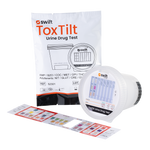
The donor provides a urine sample, which is tested using an immunoassay test strip or cup. Results are typically available within 5 minutes. Many urine test cups — such as the Swift ToxTilt and ToxTest KC 600 — include integrated adulterant strips and a temperature indicator to detect sample tampering.
Detection Windows (approximate)
Urine testing offers a longer detection window than saliva testing, making it better suited for identifying historical drug use:
-
Cannabis (THC): Up to 30 days (heavy users)
-
Methamphetamine: 3–5 days
-
Cocaine: 2–4 days
-
Opiates: 2–4 days
-
Benzodiazepines: Up to 7 days
Best For
- Pre-employment screening
- Random testing programs
- Return-to-duty testing
- High-volume testing programs where cost-effectiveness matters
Advantages
- Longer detection window — identifies past drug use
- Cost-effective, especially in bulk
- Wide range of multi-panel options (6, 7, 8+ drug groups)
- AS/NZS 4308 verified options available
Considerations
- Requires a private collection area (bathroom)
- Greater potential for sample adulteration or substitution
- Does not detect very recent use as effectively as saliva testing
Saliva Drug Testing
Saliva (oral fluid) drug testing has grown rapidly in popularity across Australian workplaces, particularly in industries where on-site, observed testing is preferred. It is governed by AS/NZS 4760:2019, the standard for procedures for specimen collection and the detection and quantitation of drugs in oral fluid.
How It Works
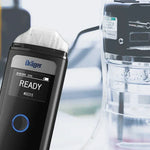
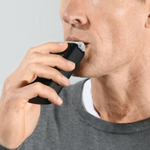
The donor places a collection swab in their mouth to collect a saliva sample. The device — such as the Swift ToxCheck OF 100 or ToxCheck OF 200 — then analyses the sample and delivers results in 2–10 minutes. Collection is observed, reducing the risk of tampering.
Detection Windows (approximate)
Saliva testing detects more recent drug use than urine testing:
-
Cannabis (THC): Up to 12 hours (occasional users)
-
Methamphetamine: Up to 48 hours
-
Cocaine: Up to 24 hours
-
Opiates: Up to 48 hours
-
Benzodiazepines: Up to 48 hours
Best For
- Post-incident testing
- Reasonable suspicion testing
- On-site and roadside testing
- Industries where observed collection is required
Advantages
- Non-invasive — simple oral swab, no bathroom required
- Observed collection reduces tampering risk
- Detects very recent drug use
- AS/NZS 4760 verified options available
- Ideal for on-site and remote testing environments
Considerations
- Shorter detection window — may miss historical drug use
- Slightly higher per-unit cost than urine testing
- Some foods and medications can affect results if collection protocol is not followed
Urine vs Saliva: Side-by-Side Comparison
| Feature |
Urine Testing |
Saliva Testing |
| Australian Standard |
AS/NZS 4308 |
AS/NZS 4760 |
| Detection Window |
Days to weeks |
Hours to 2 days |
| Collection Method |
Urine sample (private) |
Oral swab (observed) |
| Tamper Risk |
Higher |
Lower |
| Best Use Case |
Pre-employment |
Post-incident, on-site |
| Cost |
Lower per unit |
Slightly higher |
| Ease of Collection |
Requires facilities |
Can be done anywhere |
Which Should You Choose?
The right method depends on your specific testing objectives:
- If you need to screen for historical drug use (e.g. pre-employment), urine testing is the better choice due to its longer detection window.
- If you need to detect recent impairment (e.g. post-incident or reasonable suspicion), saliva testing is more appropriate.
- Many Australian workplaces use both methods — saliva for on-site screening and urine for confirmatory or pre-employment testing.
Both methods are available in AS/NZS verified formats to ensure your testing program meets Australian compliance requirements.
Shop Drug Testing Kits at Drug Test Warehouse
At Drug Test Warehouse, we stock a comprehensive range of both urine and saliva drug test kits from trusted brands including Swift Toxicology. Whether you need a single kit or bulk supply for an ongoing workplace program, we offer same-day dispatch for orders placed before 2pm AEST.
Browse our range of urine drug test kits and saliva drug test kits to find the right solution for your workplace.